
Body Positivity Movement found in critical condition after the rise of GLP1s
Solanos, July 31, 2026- The beauty standards of the western world have waxed and waned from antiquity to present day. Lead powered faces were all the rave once, corsets and low-rise jeans had their time in the public eye once. But one thing remained relatively the same, women were expected to have a slim figure. It was not too long ago where things began to change.
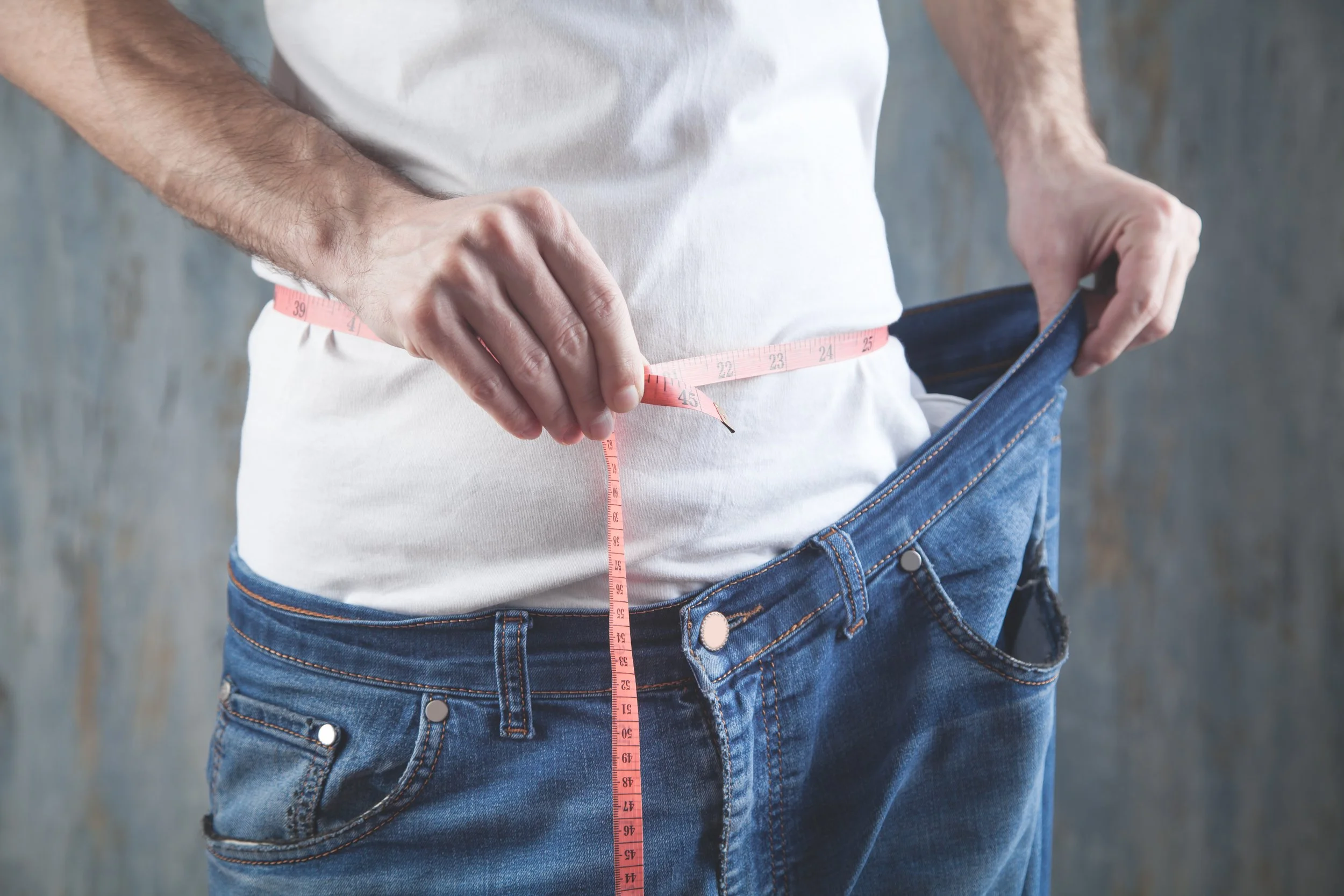
The 2000s were a brutal time to be a woman. One weekend of binging 2000s media will make it very apparent. How many plots revolved around a female lead gaining 5 lbs? How often was it met with an intervention by her concerned friends and family? Count the number of fat jokes on your hands, you will soon run out of fingers.
So comes the 2010s. It should be of no surprise to people who understand human behavior that there was a rebellion. After all, millennial grey is a rebellion to 2000s maximalism. The “body positivity” movement began in the desolate and God-forsaken corners of Tumblr. Once a movement to empower those with disabilities, it was swiftly overtaken and popularized by the overweight crowd. Its influence soon spread to Twitter, Instagram and Facebook. It stood no chance in the dungeons of 4chan. It advocated for the normalization of being overweight, obese, short, tall, disabled, having skin conditions, and overall, not confining to the current, ever-shifting beauty standard. Granted, this took place largely in the west, the popularization of obesity will never see the light of day in East and Southeast Asia.
Many contemporary actors, models, musicians, and influencers can owe their career and success to this movement; it permanently altered the fashion and entertainment industry. Whether this is a positive or negative thing will be largely left to personal interpretation. This movement was ever growing and showed no signs of slowing down. It even crept its way to corners of the world known for their rigid beauty standards, like Miami. But one small, multibillionaire dollar pharmaceutical company felt like enough was enough (in regard to diabetes).
After studying lizards whose toxins starved their predators to death, semaglutide hit the streets of the United States like one well known substance in 1980s. This miracle drug improved the health of millions of diabetics (its target population) but was soon hoarded by the general public for its weight loss side effects. The ravenous public clutched the medication from the hands of diabetic patients nearly to the point of extinction. Eventually people began to settle for compounded medications and then began settling for GLP1 agonists imported from dubious sources. Obesity rates were down, diabetes was down, fertility was up, alcohol sales were down, Catholicism was on the rise, run clubs became more popular than real clubs. As the culture shifted, suddenly begin obese was no longer socially acceptable.
Years of manipulating the public psyche quickly crumbled as obese people no longer had to cope, they finally had means to become thin. #bodypositivity was once a top 200 hashtag on twitter, whereas now it rests somewhere near #mancrushmonday and #tbhrate, in the quadruple digits. Models are thin again. Celebrities now attend the red carpet nearly emaciated. Eating is on its way to becoming taboo. The body positivity movement, once a visionary activist, was found apneic and pulseless in a ditch off of the i10, alone and still with a high BMI. The movement now rests in the ICU in critical condition.
Whether or not the body positivity movement was a coping mechanism or genuine, the positive effects have been and will forever be felt. All human beings deserve to feel comfortable in their skin. People now have the choice to remain overweight or lose weight quickly, easily and costly. The freedom to choose is a beautiful thing, but maybe the beauty of freedom will also succumb to the shifting beauty standards of the West.